
Agra Heritage Tour – Private Pickup & Drop , Agra stands as a testament to India’s glorious Mughal past—a city where architectural masterpieces in white marble and red sandstone tell stories of emperors, romance, ambition, and artistic excellence spanning centuries. An Agra heritage tour with private pickup and drop service transforms your exploration of this UNESCO World Heritage city from a logistical challenge into a seamless cultural immersion, where every moment focuses on discovery rather than navigation.
Agra Heritage Tour – Private Pickup & Drop , Whether you’re arriving from Delhi on a day trip, staying overnight in Agra, or incorporating the city into a broader North India circuit, the private pickup and drop structure provides unmatched convenience—no haggling with taxi drivers, no navigating unfamiliar streets, no wasting precious sightseeing time on transportation coordination. Your dedicated vehicle and driver become the reliable foundation supporting your heritage journey, allowing you to concentrate entirely on experiencing the magnificent legacy the Mughals left behind.
Understanding Agra’s Heritage Significance
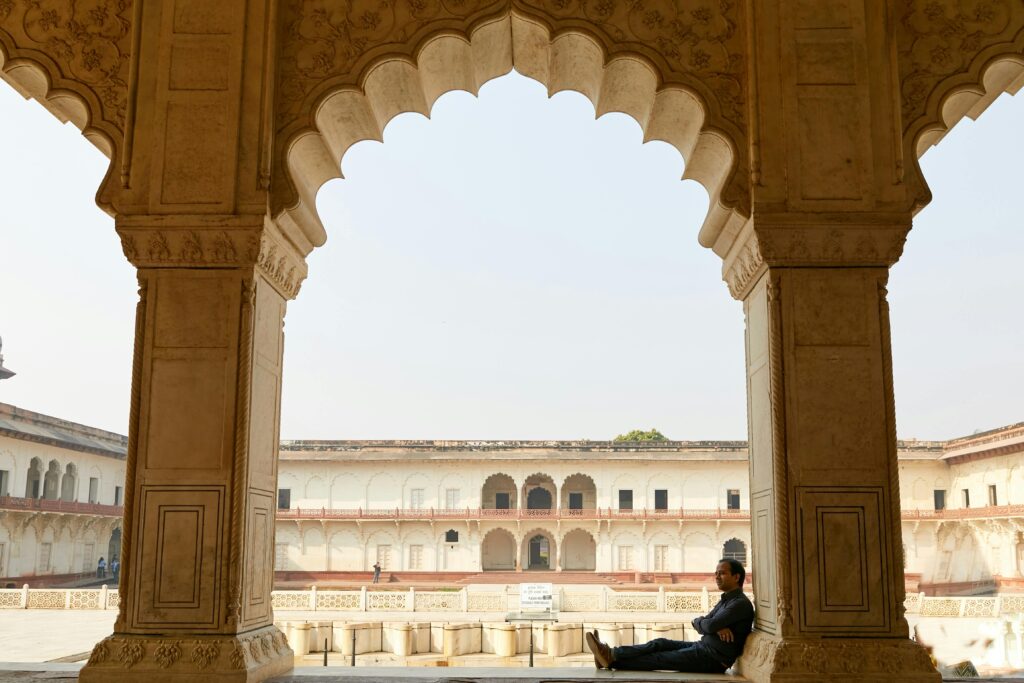
UNESCO World Heritage Sites: Agra boasts three UNESCO sites—the Taj Mahal (1983), Agra Fort (1983), and Fatehpur Sikri (1986). This concentration of world-recognized heritage is rare, placing Agra among humanity’s most culturally significant destinations.
Mughal Architectural Excellence: The Mughal dynasty (1526-1857) reached its zenith during the 16th-17th centuries, with Akbar, Jahangir, and Shah Jahan commissioning monuments that remain architectural marvels. Agra was the Mughal capital during this golden age, resulting in the concentration of extraordinary buildings.
Cultural Synthesis: Mughal architecture brilliantly synthesized Persian, Islamic, and Indian design elements—Persian gardens and Islamic calligraphy merged with Indian craftsmanship and Hindu architectural motifs. This cultural fusion defines Agra’s unique aesthetic.
Historical Narrative: Beyond beautiful buildings, Agra’s monuments tell human stories—Shah Jahan’s eternal love for Mumtaz Mahal expressed through the Taj, Akbar’s religious tolerance reflected in Fatehpur Sikri’s architecture, and dynastic succession dramas played out within Agra Fort’s walls.
Living Heritage: Agra isn’t a museum—it’s a living city where ancient crafts like marble inlay work (pietra dura) and carpet weaving continue in workshops, markets bustle with activity, and monuments remain embedded in contemporary life.
Comprehensive Heritage Tour Itinerary
Morning: The Crown Jewel (6:00 AM – 10:00 AM)
6:00 AM: Pickup from your Delhi hotel (if day trip from Delhi, 3-4 hour drive to Agra) or Agra accommodation. The early start is strategic—witnessing the Taj Mahal at sunrise offers optimal lighting, smaller crowds, and comfortable temperatures.
9:30-10:00 AM (if starting from Agra): Direct pickup and transfer to the Taj Mahal, arriving as gates open.
Taj Mahal Exploration (2-3 hours): The monument that needs no introduction—Shah Jahan’s 1632-1653 tribute to his beloved wife Mumtaz Mahal. Your heritage tour focuses beyond surface beauty:
- Architectural Analysis: Understanding the perfect symmetry, the four minarets designed to fall outward in earthquakes (protecting the main tomb), the optical illusions in design, and the sophisticated garden layout representing Paradise in Islamic theology.
- Artistic Details: Examining the extraordinary pietra dura (marble inlay) work featuring semi-precious stones (jasper, jade, turquoise, lapis lazuli, coral) forming intricate floral patterns. Over 28 varieties of stones were sourced from across Asia.
- Historical Context: Learning about the 20,000+ artisans involved, the innovative construction techniques, the calligraphy of Quranic verses adorning walls, and the tragic story of Shah Jahan’s final years imprisoned across the river, gazing at his creation.
- Photography and Appreciation: Experiencing the monument’s changing character as morning light shifts—the marble’s color palette evolving from soft pink at dawn to brilliant white in full sun.
Mid-Morning: Imperial Power (10:30 AM – 1:00 PM)
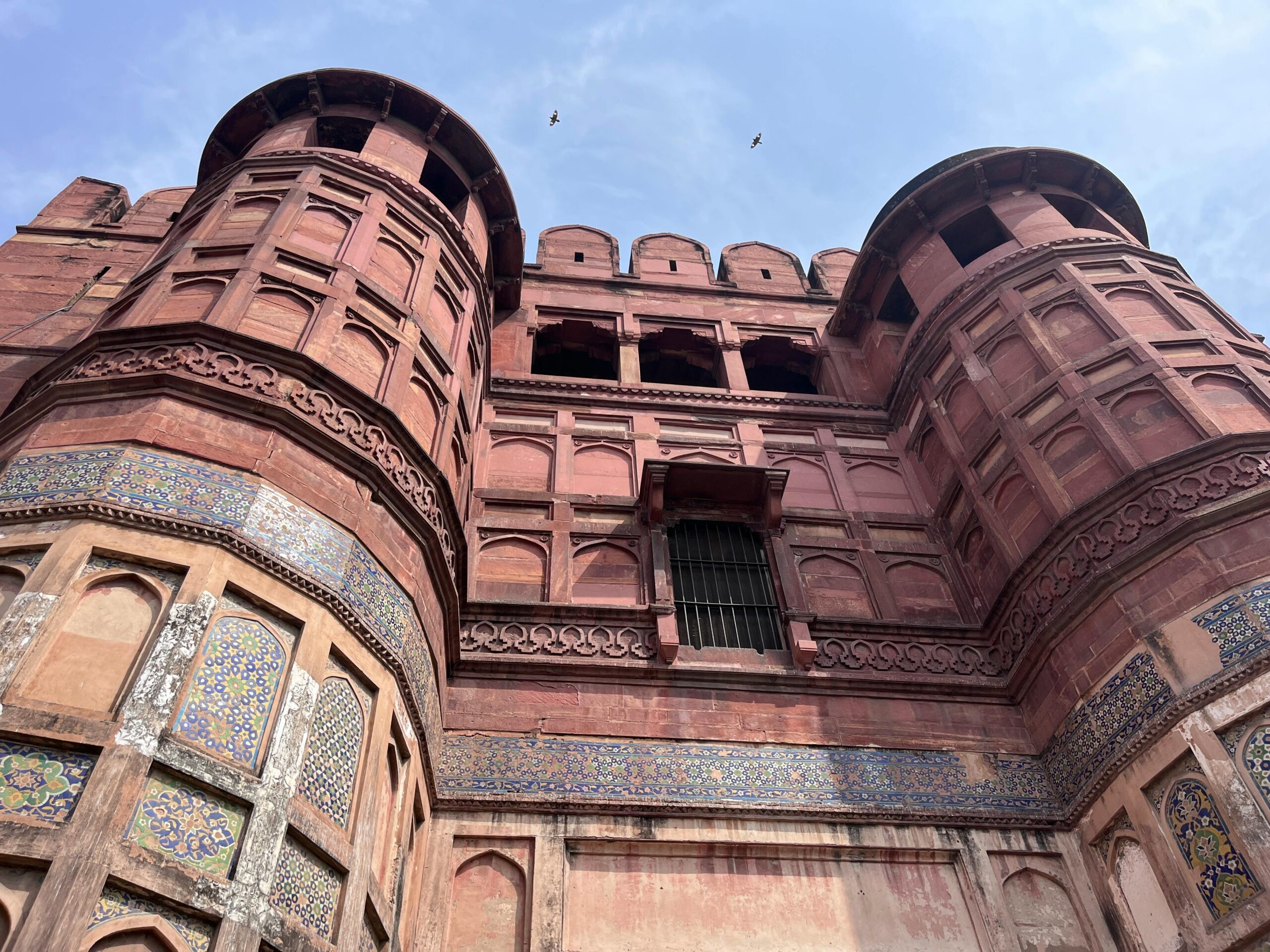
Agra Fort (2-2.5 hours): This massive red sandstone fortress, begun by Akbar in 1565 and expanded by successive emperors, served as the Mughal seat of power.
Heritage Highlights:
- Architectural Evolution: Observing how building styles evolved from Akbar’s robust military architecture to Shah Jahan’s refined marble additions—the fort physically documents changing Mughal aesthetics and priorities.
- Strategic Design: Understanding the fort’s defensive features—double walls, strategic gates, moats, and commanding position overlooking the Yamuna River. This was fortress first, palace second.
- Significant Structures:
- Diwan-i-Am (Hall of Public Audience): Where emperors heard common petitioners
- Diwan-i-Khas (Hall of Private Audience): For nobles and foreign dignitaries
- Sheesh Mahal (Mirror Palace): Reflecting candlelight to create starlit ceiling effects
- Musamman Burj: The octagonal tower where Shah Jahan was imprisoned, spending his final years gazing across the river at the Taj Mahal—a poignant historical circle
- Historical Narratives: Learning about political intrigue, succession battles, and the fort’s role as witness to Mughal dynasty’s rise and decline.
Afternoon: Options for Heritage Depth (2:00 PM – 6:00 PM)
Agra Heritage Tour – Private Pickup & Drop , After lunch at a quality restaurant (your driver recommends options or you can specify preferences), choose based on interest and energy:
Option A: Fatehpur Sikri (3-4 hours including 80 km travel)
Emperor Akbar’s short-lived capital (1571-1585), abandoned due to water scarcity but remarkably preserved. This ghost city offers:
- Buland Darwaza: The massive victory gate, one of India’s largest
- Jama Masjid: Grand mosque with geometric precision
- Panch Mahal: Five-story palace with decreasing floor sizes creating pyramidal profile
- Diwan-i-Khas: Unique central pillar supporting elaborate bracket capital
- Tomb of Salim Chisti: Exquisite white marble tomb attracting pilgrims
Heritage Value: Fatehpur Sikri demonstrates Akbar’s architectural ambitions and provides intact example of 16th-century Mughal city planning.
Option B: Itmad-ud-Daulah (Baby Taj) + Mehtab Bagh (2-3 hours)
- Itmad-ud-Daulah: Often called “Baby Taj,” this tomb (1622-1628) pioneered the extensive use of pietra dura that the Taj Mahal perfected. Built by Nur Jahan for her father, it’s an intimate jewel box of marble artistry.
- Mehtab Bagh: Garden complex across the Yamuna offering stunning Taj Mahal views—originally part of Shah Jahan’s integrated Taj complex design. Perfect for sunset photography and understanding the Taj’s relationship with its landscape.
Heritage Value: Demonstrates artistic evolution leading to the Taj, and reveals the Mughal concept of monuments within planned landscapes.
Option C: Craft Heritage Tour (2-3 hours)
- Marble Inlay Workshops: Watch artisans practice the 400-year-old pietra dura craft inherited from Mughal-era ancestors, creating miniature Taj Mahals and inlaid boxes.
- Carpet Weaving Demonstrations: Agra’s carpet tradition dates to Akbar’s era. Observe traditional techniques and understand this living heritage.
- Kinari Bazaar: Explore Agra’s old market—architecture, atmosphere, and commerce largely unchanged for centuries.
Heritage Value: Connects historical crafts to contemporary practice, demonstrating heritage as living tradition rather than frozen past.
Evening: Sunset and Return (6:00 PM onwards)
6:00-7:00 PM: Optional sunset viewing of Taj Mahal from Mehtab Bagh (golden light photography opportunities).
7:00 PM onwards: Return drop to your Agra hotel or begin return journey to Delhi (arriving 10:00-11:00 PM depending on traffic).
Private Pickup & Drop Service Details
What “Private Pickup & Drop” Actually Means:
- Dedicated Vehicle: One vehicle assigned exclusively to your group for the entire tour duration—no sharing with strangers, no multiple hotel pickups wasting time.
- Flexible Timing: While tours suggest optimal schedules, private service accommodates reasonable timing adjustments based on your preferences and circumstances.
- Door-to-Door Service: Pickup from any Agra or Delhi location (hotel, airport, railway station, residence) and drop at any specified endpoint—complete transportation solution.
- Wait Time Included: Driver remains available throughout the tour, waiting at monuments while you explore—no calling cabs between sites or coordinating multiple transportation segments.
- Luggage Storage: Your vehicle safely stores bags, shopping, jackets, and other items while you’re sightseeing unburdened.
Vehicle Options:
- AC Sedan (3-4 people): ₹3,500-5,000 for local Agra tour; ₹6,000-8,000 for Delhi-Agra-Delhi day trip
- AC Innova/SUV (5-7 people): ₹5,000-7,000 local; ₹8,000-12,000 Delhi round-trip
- AC Tempo Traveller (8-12 people): ₹7,000-10,000 local; ₹12,000-18,000 Delhi round-trip
What’s Typically Included: Vehicle for specified duration (8-12 hours), experienced driver, fuel for planned route, tolls, parking fees at monuments, and driver allowance.
What’s Extra: Monument entry fees (₹50-1,100 per person depending on site and nationality), guide services (₹1,200-2,000 for full day—highly recommended for heritage appreciation), meals, shopping, and gratuities.
Heritage Guide Services: Why They Matter
Beyond Logistics: Drivers navigate and wait; guides interpret and educate. For heritage tourism specifically, guides transform monuments from pretty buildings into historical narratives and architectural masterclasses.
What Expert Heritage Guides Provide:
- Historical Context: Explaining not just what you see but why it exists—the political, cultural, and personal circumstances driving construction
- Architectural Analysis: Decoding design elements, structural innovations, symbolic meanings, and artistic techniques
- Cultural Interpretation: Connecting Mughal-era society, religious beliefs, and artistic traditions to what monuments express
- Storytelling: Making history human through anecdotes about emperors, architects, artisans, and events
- Detail Recognition: Pointing out elements you’d otherwise miss—subtle inscriptions, intentional asymmetries, symbolic motifs
Cost-Benefit: A ₹1,500 guide investment exponentially increases the educational and experiential value of a heritage tour. Without guides, you’re seeing buildings; with them, you’re understanding civilizations.
Optimizing Your Heritage Experience
Best Season: November-February offers comfortable temperatures (15-25°C), clear skies for photography, and pleasant monument exploration. October and March are good shoulder seasons with fewer crowds and decent weather.
Avoid Peak Crowds: Visit Taj Mahal at sunrise (6:00-8:00 AM) or late afternoon (4:00-6:00 PM). Mid-morning to afternoon sees maximum crowds. Friday is most crowded as the mosque inside the Taj complex holds prayers.
Photography Tips: Bring a good camera for architectural details. Sunrise and sunset offer best lighting. Tripods aren’t allowed on the Taj’s main platform. Your guide knows optimal photo spots.
Dress Appropriately: Modest clothing (shoulders and knees covered) required for mosques. Comfortable walking shoes essential—you’ll walk extensively on marble and stone surfaces.
Time Allocation: Don’t rush. The Taj deserves 2-3 hours minimum, Agra Fort 2+ hours, and Fatehpur Sikri 2-3 hours if included. Quality engagement beats superficial rushing through sites.
Booking Your Heritage Tour
Choose Reputable Operators: Research operators with strong reviews specifically mentioning heritage tours, knowledgeable guides, and quality vehicles.
Verify Complete Inclusions: Understand exactly what’s covered—vehicle type, duration, pickup/drop locations, whether guide is included, and all extra costs.
Communicate Specific Interests: If you’re particularly interested in architecture, history, art, or photography, inform operators so they match you with appropriate guides and optimize routing.
Book Advance: Peak season (November-February) sees high demand. Book 1-2 weeks ahead for better vehicle and guide selection.
Confirm Details: One day before, reconfirm pickup time, location, driver contact, and any special arrangements.
Conclusion
An Agra heritage tour with private pickup and drop service represents the ideal approach to experiencing this remarkable city’s Mughal legacy. The UNESCO World Heritage sites of Agra demand proper time, expert interpretation, and comfortable logistics—all provided through this integrated package structure.
The private service element eliminates the stress and inefficiency of independent navigation, allowing you to focus entirely on absorbing the architectural splendor, historical narratives, and cultural significance these monuments embody. From the ethereal beauty of the Taj Mahal to the imposing grandeur of Agra Fort to the haunting abandonment of Fatehpur Sikri, Agra’s heritage tells the story of an empire at its zenith—and a private tour ensures you hear that story clearly, comfortably, and memorably.
FAQs
1. Is one day sufficient to experience Agra’s heritage properly, or should we plan overnight stays for deeper exploration?
One day can cover the essential UNESCO trinity (Taj Mahal, Agra Fort, Fatehpur Sikri) but requires early start, efficient planning, and acceptance that you’re getting highlights rather than comprehensive immersion. This works well for: day-trippers from Delhi with limited schedules, travelers on tight multi-city tours, or those primarily focused on the Taj Mahal with secondary interest in other sites. However, an overnight stay benefits deeper heritage appreciation: allows sunrise AND sunset Taj viewing (the monument’s appearance dramatically shifts with light), provides time for Fatehpur Sikri without rushed pacing, enables visiting lesser-known heritage gems (Baby Taj, Sikandra—Akbar’s tomb, Mariam’s Tomb), includes evening heritage walks through old city bazaars, and eliminates exhausting same-day Delhi-Agra-Delhi drives (7-8 hours total in vehicle). For serious heritage enthusiasts, photographers, or those wanting contemplative monument engagement, 2 days/1 night is ideal.
2. We’re particularly interested in architecture and photography—can private tours be customized to spend more time at specific locations and get optimal lighting?
Absolutely—this is exactly what private tours excel at. When booking, specify: “We’re architecture and photography focused—we want extended time at the Taj Mahal during sunrise golden hour, detailed architectural study at Agra Fort, and sunset positioning at Mehtab Bagh for Taj photos.” Good operators will: schedule Taj Mahal arrival 30-45 minutes pre-sunrise allowing you to capture the entire dawn transformation, allocate 3+ hours at the Taj versus standard 2 hours, pair you with guides knowledgeable about architectural details who can explain structural techniques and design innovations, include Mehtab Bagh for sunset rear-view Taj photography, adjust pacing so you’re not rushed when lighting is optimal, and skip rushed monument-hopping in favor of depth at fewer sites. Bring specific requests to booking conversations—private tours accommodate enthusiast-level interests that generic group tours cannot.
3. What exactly do monument entry fees cost, and should we budget significantly beyond the vehicle and guide costs?
Monument fees vary dramatically by nationality (Indian citizens vs. foreign nationals) and age. Current fees: Taj Mahal: ₹50 Indians, ₹1,100 foreigners; children under 15 free. Agra Fort: ₹50 Indians, ₹650 foreigners. Fatehpur Sikri: ₹50 Indians, ₹610 foreigners. Itmad-ud-Daulah: ₹30 Indians, ₹310 foreigners. Mehtab Bagh: ₹35 Indians, ₹300 foreigners. So budget varies: An Indian family of 4 (2 adults, 2 teens) visiting Taj + Agra Fort + Fatehpur Sikri pays ₹300 total. A foreign couple visiting the same sites pays ₹4,740. Beyond entry fees, budget for: guide (₹1,200-2,000), meals (₹500-1,500 per person), bottled water and snacks (₹200-400), shopping if interested (₹500-5,000+ depending on what you buy), and tips for driver and guide (₹500-1,000 combined for good service). Total beyond vehicle: Indians might budget ₹3,000-5,000 per person; foreigners ₹6,000-10,000 per person.
4. Is hiring a heritage guide really necessary if we read about monuments beforehand and have our phones for information?
While technically you can visit without guides, you’ll miss 70-80% of what makes Agra’s heritage profound. Here’s why guides matter specifically for heritage tourism: (1) Interpretive depth: Reading tells you the Taj took 22 years to build; guides explain why it took that long, describing the engineering challenges of the 42-meter dome’s construction, the worldwide sourcing of materials, and the coordination of specialized craftspeople; (2) Visual guidance: Guides point out details you’d walk past—the deliberate asymmetry in calligraphy (larger letters higher up appearing same size from ground), the optical illusion of minarets leaning outward, the 99 names of Allah inlaid in Mumtaz’s tomb; (3) Human narratives: They connect architecture to people—Shah Jahan’s imprisonment, Akbar’s religious tolerance, succession battles—making heritage emotionally resonant; (4) Contextual connections: Linking what you see to broader Mughal culture, Islamic art traditions, and Indian architectural evolution. Your phone can’t answer spontaneous questions or adapt explanations to your interests. For casual tourists, maybe guides are optional. For heritage appreciators, guides are transformative.
5. We’re coming from Delhi as a day trip—is the Delhi-Agra-Delhi driving realistic in one day without being completely exhausted?
It’s realistic but requires honest assessment of your tolerance for long vehicle days and willingness to start very early. The logistics: Delhi-Agra is 200-230 km depending on route, taking 3-4 hours each way under good conditions (traffic, road work, or accidents can extend this). Total driving: 6-8 hours. Add 6-7 hours monument sightseeing and you’re looking at 12-15 hour days. This works for: healthy adults comfortable with long travel days, those starting at 5:00-6:00 AM (arriving Agra 9:00-10:00 AM for full sightseeing day), travelers fine with arriving back in Delhi at 9:00-11:00 PM, and groups hiring quality vehicles (Innova Crysta suspension makes long drives tolerable). It doesn’t work well for: families with young children (too exhausting), elderly with limited stamina, anyone uncomfortable with 15-hour days, or those who get carsick on long drives. Alternatives: take early morning train to Agra (2 hours), do heritage tour, return evening train, minimizing vehicle time. Or stay overnight in Agra, eliminating same-day exhaustion. Many people successfully do the Delhi day trip, but go in understanding it’s intensive and requires stamina.




Comments are closed.